What Makes a Good Website
Top 3 Things That Entrepreneurs Should Include in Their Website!
(updated May 2026)
Let’s be honest: first impressions matter, even online. When someone lands on your website, you only have a few seconds to let them know they’re in the right place. So what makes the difference between a website people click away from and one that draws in your ideal clients? Whether you’re starting from scratch or refreshing what you already have, here are three must-have elements that you’ll want to include.
1. Brand Photography That Feels Like You
People connect with people. That’s why brand-aligned photography makes such a big difference. While stock photos can certainly work in a pinch, they can only go so far—they don’t show off you, your team, or the personality behind your business. Websites tend to feel more trustworthy and personal when they include real photos of the people behind the business. It's even more effective when those photos include you and your business team!
The good news? You don’t have to spend thousands of dollars on a professional brand photoshoot to create authentic, polished imagery for your website. Many business owners start with simple, intentional photos taken on a smartphone, and that’s perfectly okay.
The key is consistency and alignment with your brand. Think about:
Wearing colors that reflect your brand palette
Choosing clean, well-lit spaces that match your business vibe
Taking photos while you’re actually working, serving clients, creating, or interacting with your team
Using natural expressions and candid moments instead of overly posed shots
You can even ask a friend, colleague, or family member to help snap photos during a regular workday. With good lighting, a clean background, and a little intentionality, you can create images that feel warm, trustworthy, and unmistakably you—without breaking the budget.

Great brand photography tells your story without saying a word. It creates trust, helps your audience feel a connection, and sets the tone for your brand. Whether it’s behind-the-scenes shots, product photography, or a warm welcome from you, authentic images give your site a polished and professional feel that builds confidence from the first click.
Photo credit to Laura Harstad, Virtual Brand Photographer.
2. Clear, Compelling Website Copy
Once your images grab attention, your words need to seal the deal. Your website copy should tell visitors three things—fast:
They’re in the right place
You understand their needs
You have the solution they’re looking for
Think of your copy as your virtual handshake. It should be warm, clear, and focused on the value you provide. No jargon. No fluff. Just words that speak directly to your ideal client or customer in a way that makes them want to stick around, and click that “Contact” or “Sign-Up” button.
Here are a few questions to begin marinating on that will help lay the groundwork for your website copy:
Who is your ideal client?
What problem does your ideal client have?
How can you solve this problem for them?
If you’d like a guide to help you write your copy with confidence, I’ve created a FREE Website Copy Template to help you generate ideas and write your copy.
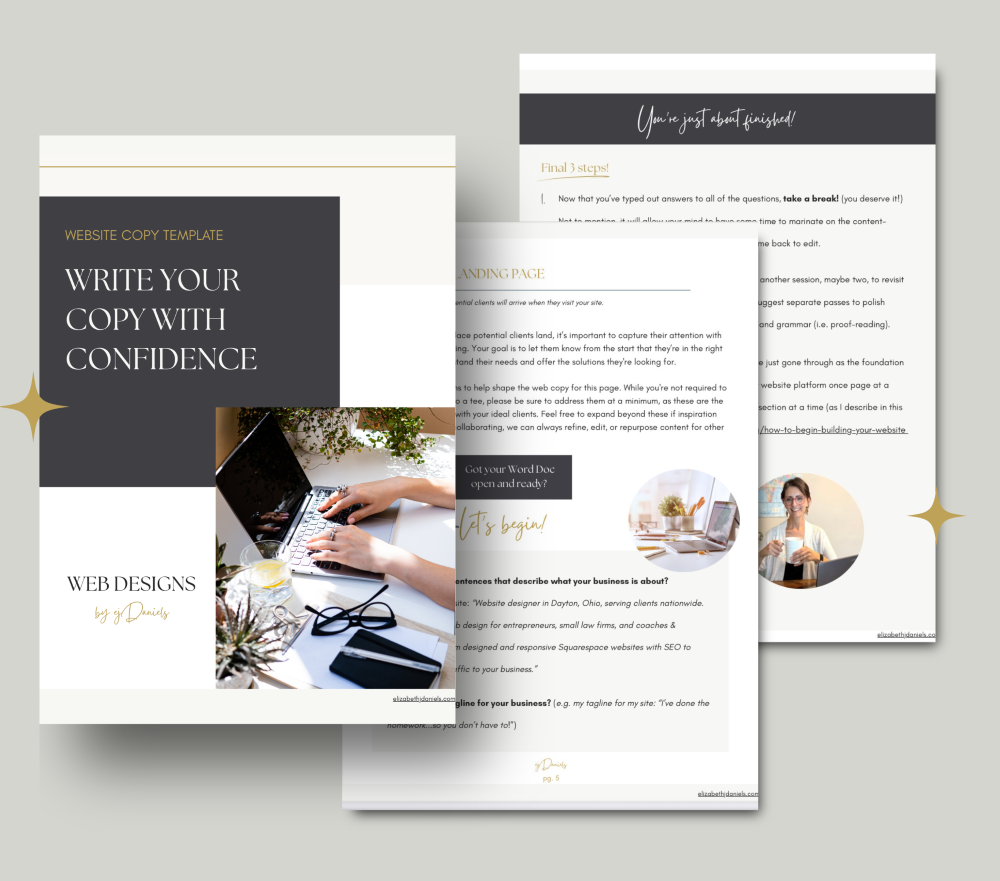
My guide contains the same questions, tools, and examples that I’ve used to create my own website content and that I share with my paid web design clients.
You’ll find encouragement along with clear, guided steps on what to include in your Homepage, Services Page, and About Page!
Before you begin the web copy writing process, I guide you through helpful steps that get you mentally prepared to lay the foundation for your copy!
If having a resource like this sounds wonderful to you, you can claim your FREE website copy template here!
3. Engaging Content That Keeps People Around + Helps Your Site Be Discovered by Search Engines & AI Tools
Here’s the secret sauce: the longer people stay on your website, the better your chances of showing up online.
For years, engaging content has been one of the biggest factors Google uses to determine which websites deserve to rank well in search results. In fact, engaging content is one of the top factors Google uses to decide how to rank your site in search results. Check out this graphic, curtesy of FirstPageSage:
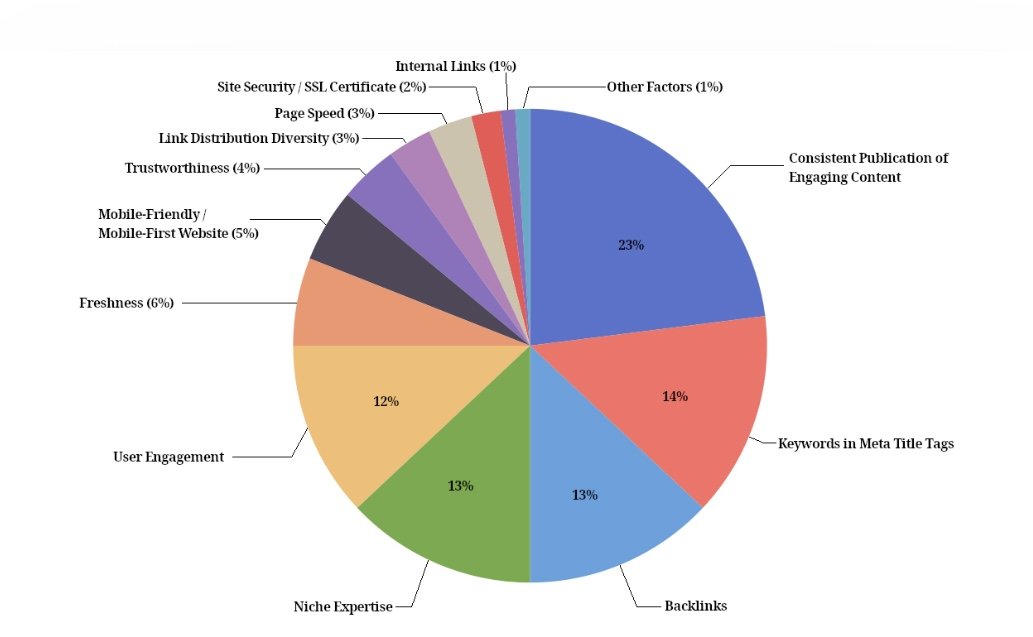
The most significant factor in Google ranking is the "Consistent Publication of Engaging Content."
But now, there’s another layer to consider: AI tools.
Platforms like ChatGPT, Google’s AI Overviews, and other AI-powered search tools are increasingly scanning the web looking for clear, helpful, trustworthy content to reference when answering questions. In other words? Your website content doesn’t just help people find you through search engines anymore — it can also help AI tools point people your way.
That means blog posts, videos, FAQs, guides, and educational resources matter more than ever.
Is what you’re creating helpful, reliable, and people-first? (Google breaks down what they mean by that here). The clearer and more valuable your content is, the easier it is for both people and AI tools to understand what you do and who you help.
Not only does strong content position you as an expert, but it also keeps visitors scrolling, clicking, and coming back for more. And the more helpful your content is, the more likely people are to share it — which search engines also love.
A quick word about blogs: they’re one of the best ways to consistently create content that helps your audience and improves your visibility online.
Google loves fresh, valuable content. AI tools do too.
Blogging gives you the chance to answer common questions, solve problems, share your expertise, and naturally include the types of phrases your ideal clients are already searching for online. Every blog post becomes another opportunity for someone to discover your business — whether through a Google search, Pinterest pin, shared link, or even an AI-generated answer.
And here’s something many business owners miss: AI tools tend to favor content that is specific, educational, easy to understand, and written with genuine expertise. So the more clearly you explain what you do and who you help, the better chance your content has of being surfaced and referenced.
BLOGGING TIP: Think about the questions your ideal client is already asking. Then turn those questions into blog posts! Not only does that make your content genuinely helpful, but those questions can also make excellent SEO-friendly H1 blog titles.
For a more detailed dive into blogging for business, check out my post, “Should You Be Blogging for Business?” I include a section on how to generate blog ideas.
Whether you’re sharing tips, stories, or insights, regular blogging can help build trust with your audience, improve your SEO, and strengthen your visibility in an increasingly AI-driven online world. It can be an incredibly effective way to organically grow your online presence!
In a Nutshell:
If you want a website that not only looks good but works—think connection, clarity, and content.
Invest in quality brand photography that reflects you.
Write copy that welcomes your ideal visitors and is clear about the type of services you offer.
Create content that keeps people engaged and positions you as the go-to expert.
Focus on these three things, and you’ll be well on your way to a website that looks great, ranks well, and (most importantly) connects with the people you’re here to serve!
Ready to take a deeper dive into making your own website?
I’ve created a 7 step guide to breaking down the website design process, so it doesn’t seem so overwhelming! Check out How to Design Your Own Website in 2026.
Want more resources that can help with your website in 2026? Here you go! —>
How to Design Your Own Website in 2026 (A 7 Step Guide)
FREEBIE! Claim my full Website Copy Template (that I use with my paid clients!)

If you’re ready to spend your precious time managing your business and less time on the details of web design, I would love to come alongside you in this process.
Reach out! I’d love to chat with you how I can support and encourage you as your Squarespace web designer!